

Youth Dance Festival 2026 – THE METAVERSE
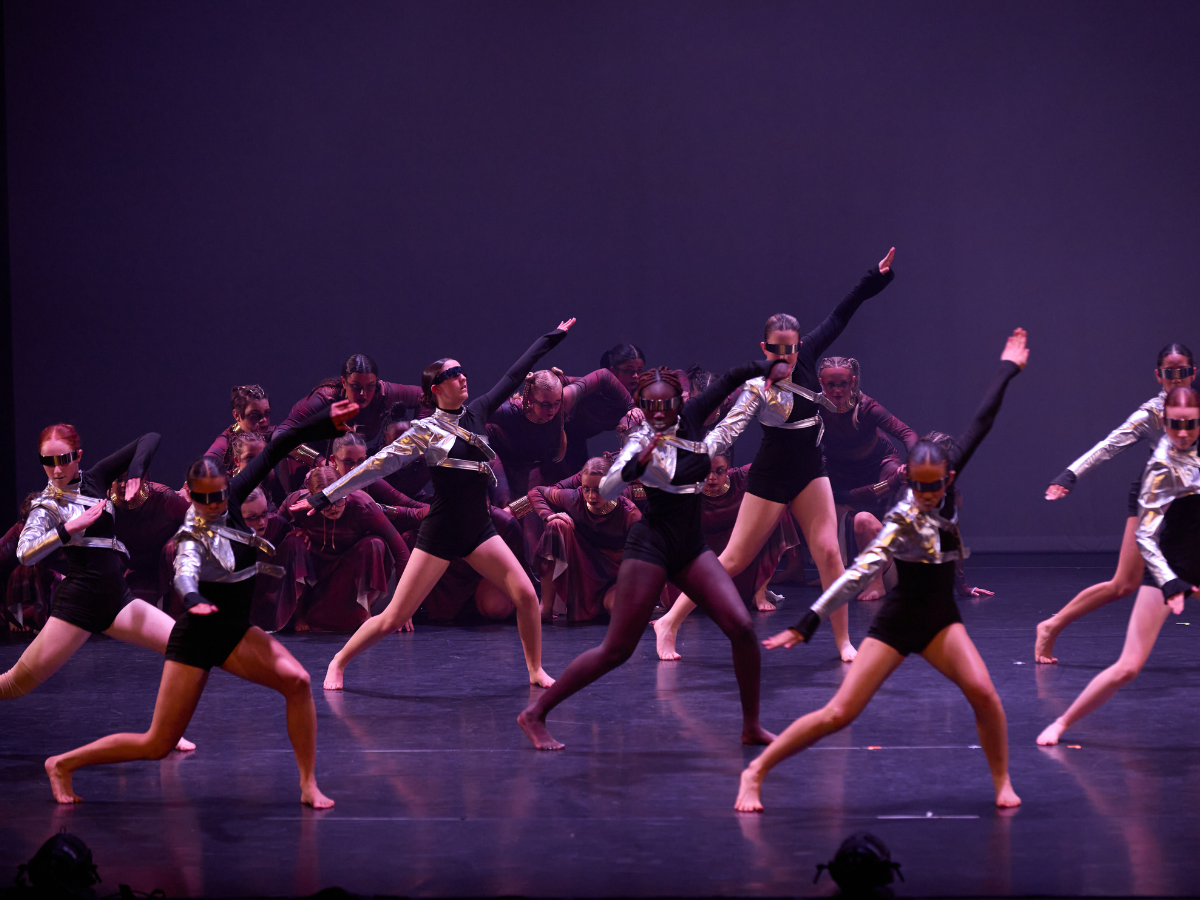

We spoke with Ausdance ACT Director Dr Cathy Adamek about the upcoming Youth Dance Festival 2026: The Metaverse. YDF encourages a student led approach to dance making, choreography, theatre and film making, and provides a shared artistic experience.
We discussed how this year’s YDF theme “The Metaverse” explores the students’ personal experiences with digital technologies, and how these experiences have informed the choreography and creative direction of the festival.
Q. At a time when AI, social media and augmented reality are blurring the boundaries between “IRL” and the digital world, what are the benefits of young people coming together to connect and express themselves face-to-face through dance?
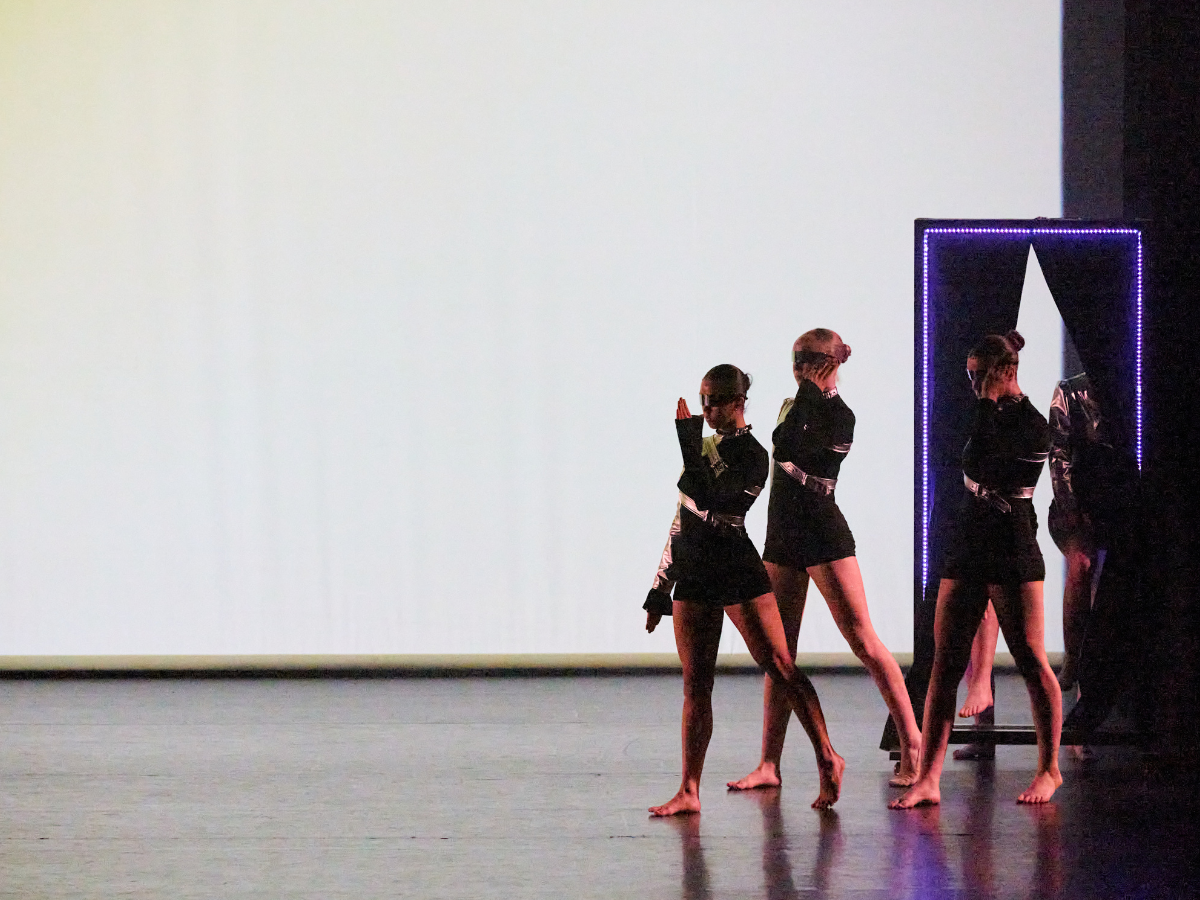
A. One of the strongest contrasts in THE METAVERSE is between the digital worlds young people inhabit in a lot of their lives and the immediacy of live performance. Although many of their works draw on multimedia, they are all performed live, using styles such as contemporary, hip-hop, jazz, lyrical and stylised or robotic movement.
This creates a powerful reminder of what happens when people collaborate to share space and express themselves through their bodies. Bringing these ideas onto a stage, through live movement and shared performance, makes the value of face-to-face expression especially tangible. They are so excited at the theatre. Coming together to create and perform dance is good for mental health and body health!
Q. People of a certain age can still remember a time before the advent of mobile phones, the internet and social media. How are young people today navigating the intensities and pressures of a pervasive and incessant digital landscape as digital natives? And are any of these strategies coming through in the Youth Dance Festival choreography?
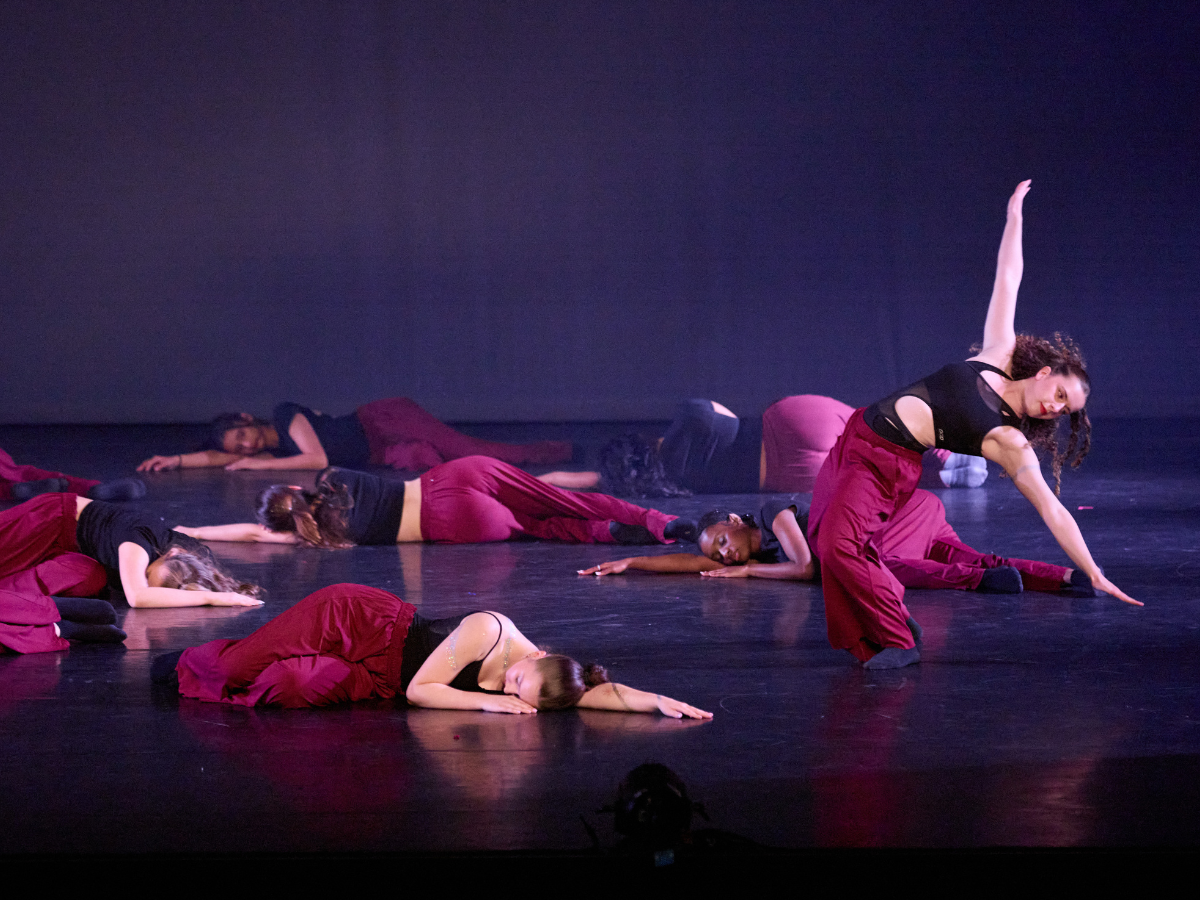
A. The students’ work reflects an awareness of how deeply social media and smartphones are embedded in everyday life. Some works explore the paradox of being constantly connected online while becoming more distant from the people around us, while others suggest that digital environments can begin to shape or control our behaviour. Rather than simply rejecting technology, the students are exploring its complexities while creating something together in the physical world.
These ideas are translated into movement and theatrical imagery in a range of ways. Repetition in live dance can evoke scrolling or the routines of screen use; robotic movement can suggest technology exerting control; and contrasts between human and machine movement raise questions about autonomy and identity. References to TikTok, algorithms, phones and online personas bring recognisable elements of digital culture into the choreography.
Gaming also appears as both a visual style and a storytelling framework, avatars, arcade and fighting games, characters moving through levels, and portals into other worlds. Multimedia and projection extend these ideas, allowing the stage to shift between physical performance, virtual environments, memories and alternate realities. The works do not offer one single strategy for navigating digital life; instead, they explore tensions through movement, imagery and storytelling.
Q. The dark side of digital technologies are brutal – we know that young people are at increased risk of cyber-bullying, extortion, abuse and even suicide. Creativity is often seen as a way to process and explore hard themes.
Has this been the case with The Metaverse, and if so, how have these risks been explored in a way that is sensitive to the vulnerable subject matter?
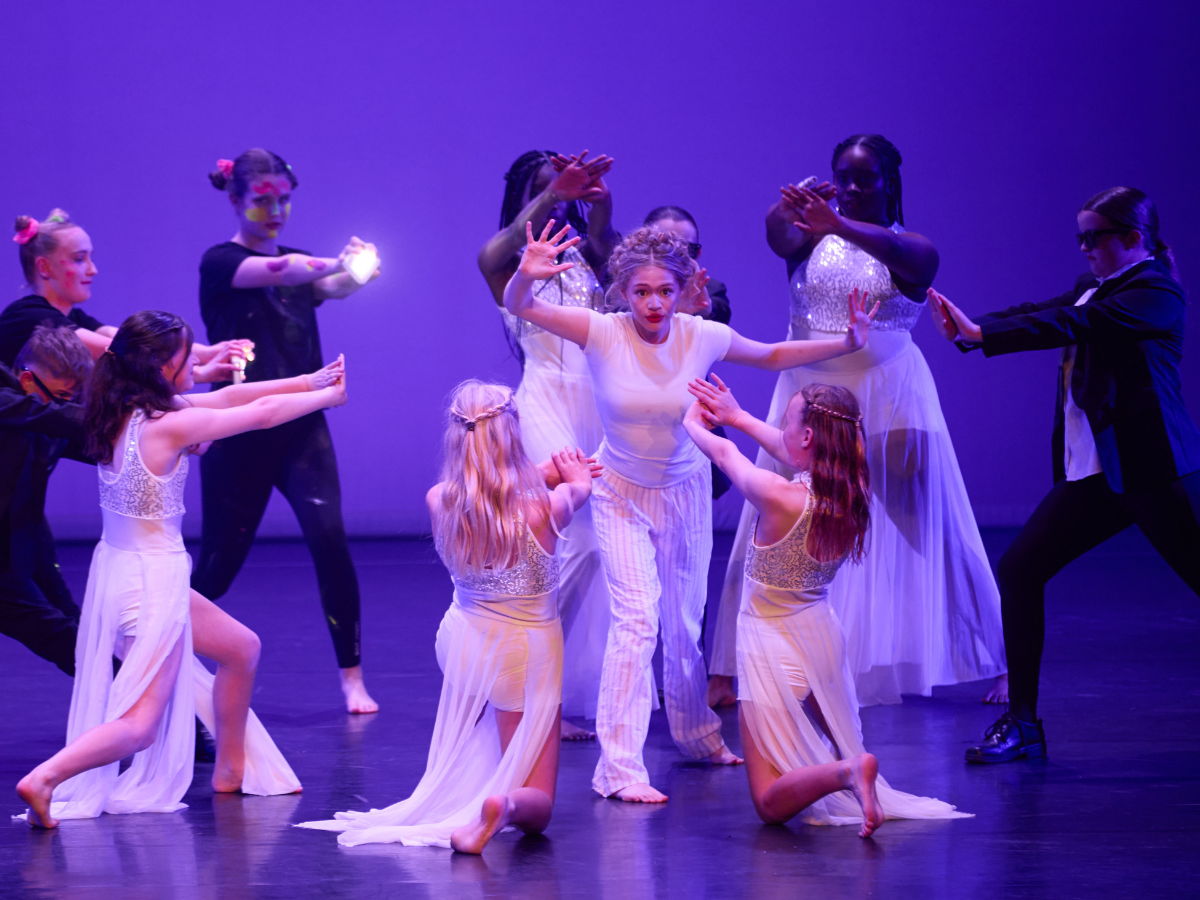
A. Some of the themes across the students’ works include digital dependency, social isolation, modern alienation, the illusion of connection and technology as a form of control. These are complex issues, particularly for young people, and the choreography approaches them through images and movement that explore the effects of digital life on identity, autonomy and human relationships.
Masks, glitches, portals, soundscapes, lighting and projections can create a sense of altered identity, isolation or disconnection without needing to represent difficult experiences literally.
Performance art is one of the best ways to express teenage dilemma around contemporary issues.
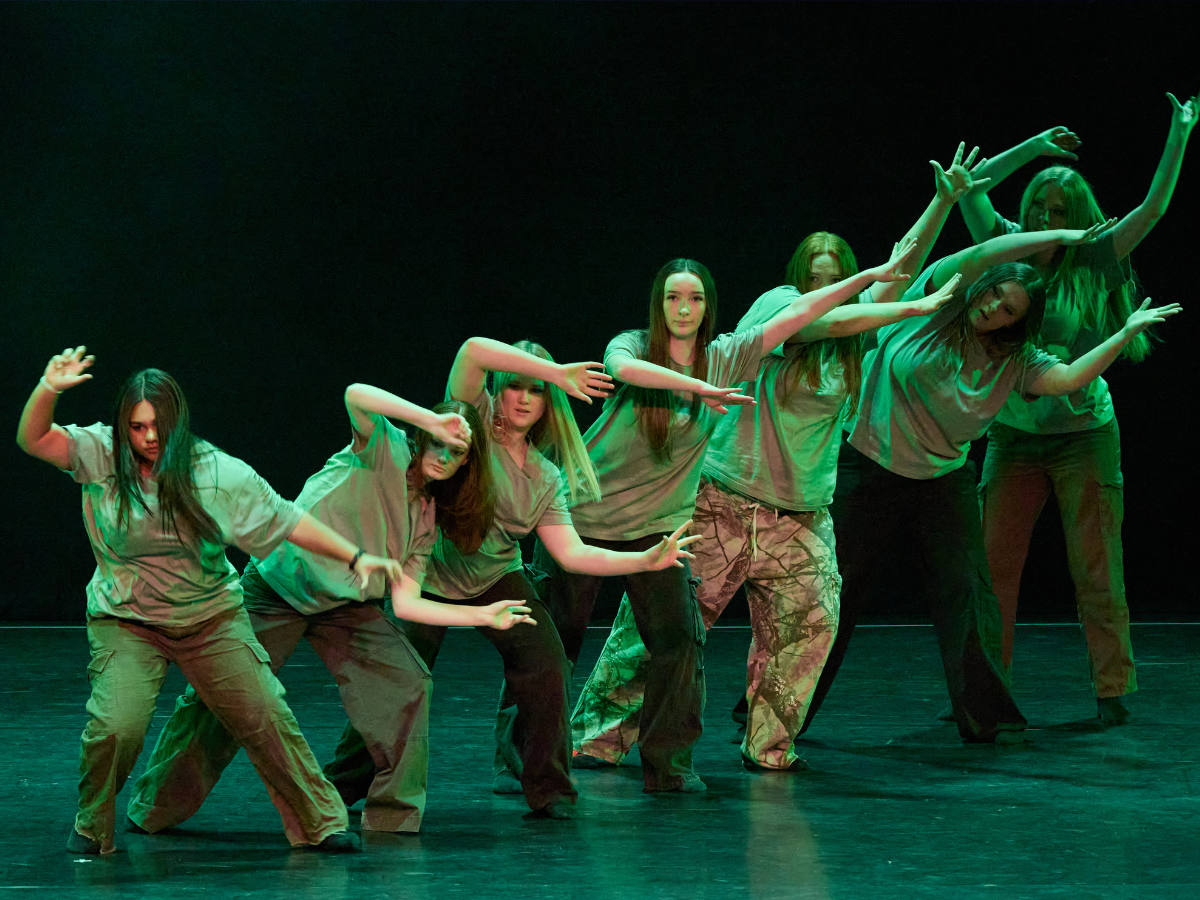
Q. Having spoken about the dark side to digital technologies, is there also a counterpoint to that, in terms of benefits and positive outcomes regarding the Digital Era? How is this portrayed in terms of choreography and creative expression?
A. For many of the pieces – “we are all having fun dancing together to our favourite music” is one of the clear takeaways. While many works question digital dependency and disconnection, they also demonstrate how technology can support artistic experiment and expand what can be represented on stage.
The digital era is not presented simply as good or bad; it becomes material the students can question, reinterpret and transform into their own creative expression. Avatars become a fun fashion way to play with identity, they explore how Tik Tok has taken over movement – they also consider the confusion of unlimited options and choice – the pieces often show them ultimately in control of the digital realm. In a dance festival, the moving body always wins.
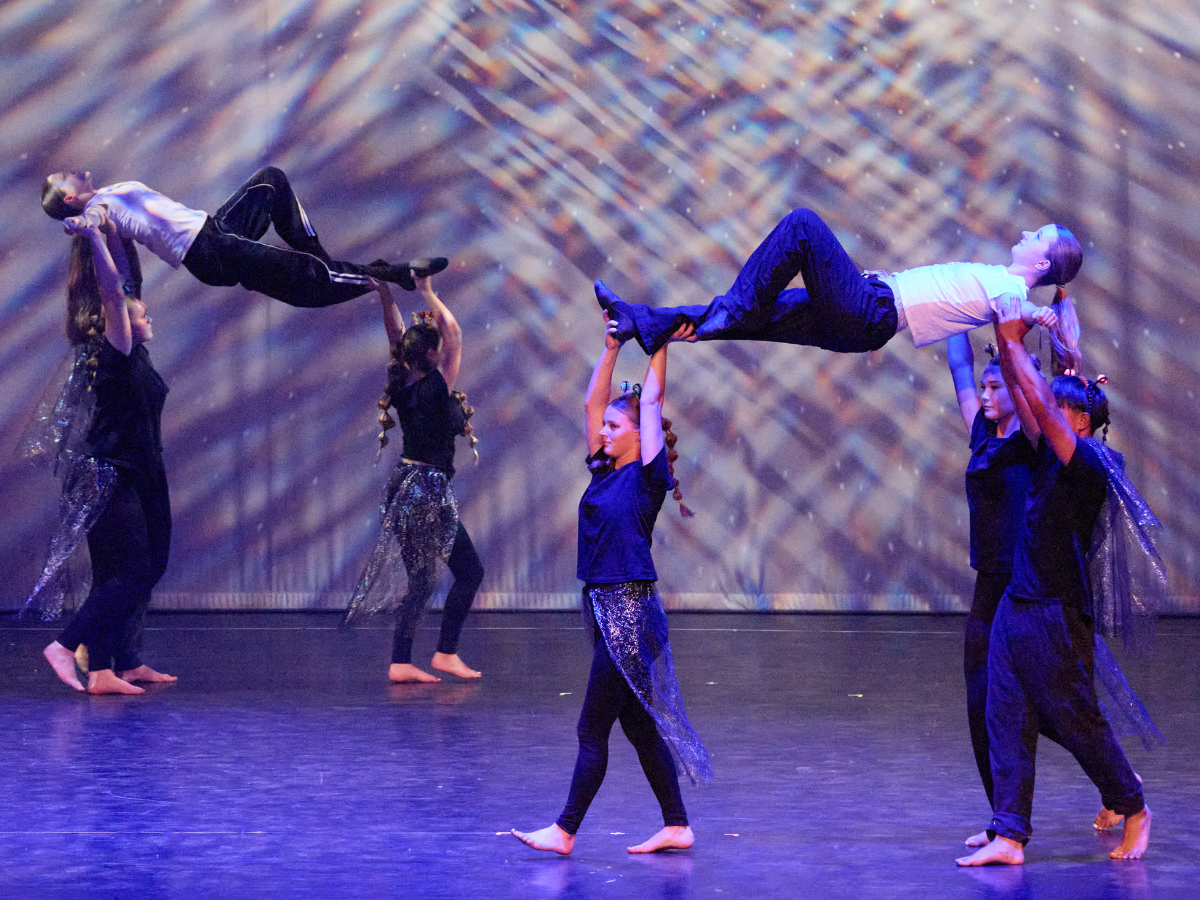
Q. How has the Youth Dance Festival changed over the last 40 years, and what do you consider to be the ongoing strengths and community impacts of the festival?
A. Bearing in mind I’ve only been here for 5 of them – there is an increased use of digital/multimedia, better lighting and tech now, and less ballet than previously. It’s always been a platform for new and emerging dance styles, like street during the late 90s – where there was nowhere else for young crews to perform, other than actually on the street. YDF or “Dance Fest” provided a unique showcase opportunity for youth expression.
YDF can provide a space for young people to respond creatively to the world around them and tap into popular culture to do so. They get to create, present work in a professionally curated process in theatre, collaborate with others, and share their work with an audience of their schools, families and friends. And for many of them it’s an assessable part of their Dance Curriculum as a secondary school subject.
There’s still nothing more fun than getting your friends together and going “let’s make up a routine” so that matched with the more serious side of the theme and professional presentation is what makes YDF so compelling.
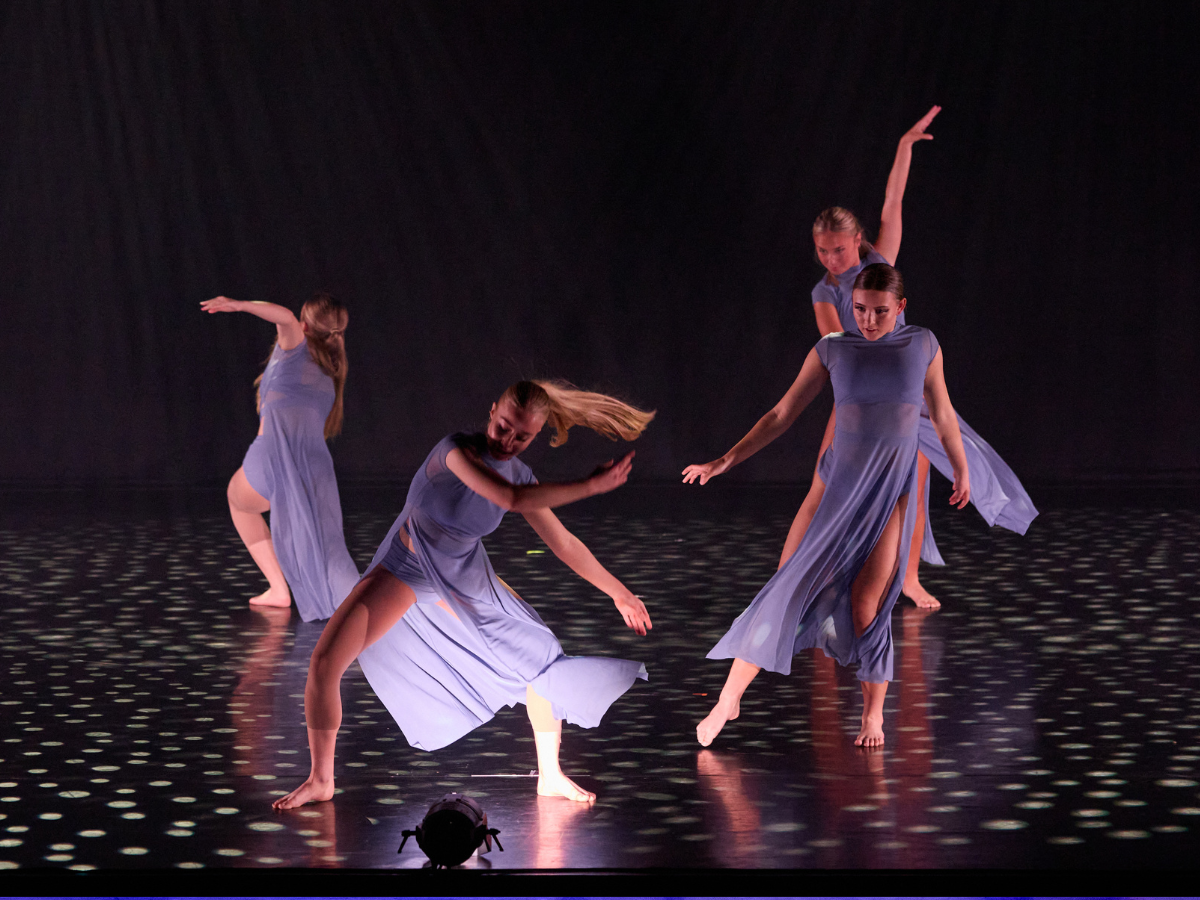
Youth Dance Festival: The Metaverse is being performed at The Playhouse, Canberra Theatre Centre from the 27 – 29 October. You can purchase your tickets here.
Words: Marisa Cartland
Images: Andrew Sikorski, Art Atelier Photography
Youth Dance Festival 2026 – THE METAVERSE

Gorman Stories: Where the Nice Girls Stayed
YDF2025: Life on Mars

Australian Dance Week 2026: People, Place and Culture

Rebuilding Canberra’s Gorman Arts Centre – will the wait be worth it?

The Work of a Diamond
Quantum Futures with Paul Summerfield
Clothing the Loop: Circular Design Festival with Alison Plevey
Youth Dance Festival 2026 – THE METAVERSE
Gorman Stories: Where the Nice Girls Stayed
YDF2025: Life on Mars
Australian Dance Week 2026: People, Place and Culture
Rebuilding Canberra’s Gorman Arts Centre – will the wait be worth it?
The Work of a Diamond
Quantum Futures with Paul Summerfield